When planning for power outages, one of the biggest decisions homeowners face is choosing between a Tesla Powerwall vs generator. Both systems provide backup power when the electrical grid goes down, but they operate in very different ways and offer unique advantages depending on your home’s energy needs.
For homeowners throughout Sarasota and Southwest Florida, reliable backup power has become increasingly important due to hurricanes, tropical storms, and aging electrical infrastructure. While standby generators have been a common choice for years, battery storage systems like Tesla Powerwall are rapidly becoming a preferred solution because they provide quiet, automatic, and maintenance-friendly backup power.
Understanding the differences between these systems can help you determine which option best fits your lifestyle, budget, and long-term energy goals.
How Does Tesla Powerwall Work?
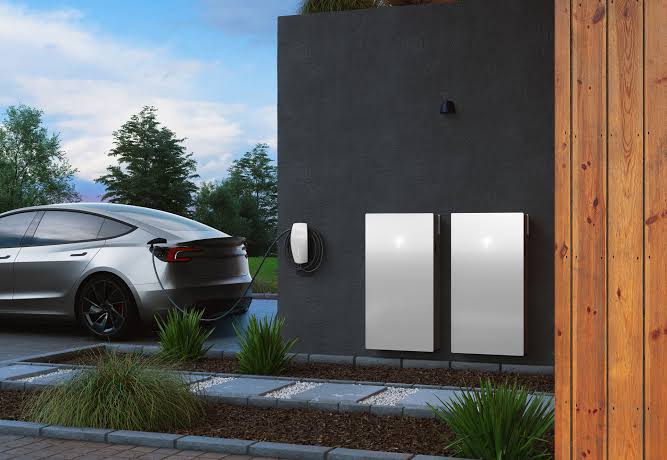
Tesla Powerwall is a rechargeable lithium-ion battery that stores electricity for later use. It works alongside your home’s electrical system and can be paired with solar panels or charged directly from the utility grid.
During normal operation, the battery stores energy that would otherwise be sent back to the grid or draws electricity when rates are lower, depending on your system configuration.
When a power outage occurs, Tesla Powerwall automatically detects the interruption and begins supplying electricity to your home within seconds without any homeowner intervention.
How Does a Standby Generator Work?
A standby generator uses either natural gas or propane to generate electricity during a power outage.
Once utility power is lost, the generator automatically starts its engine and transfers electrical power to your home’s backup circuits.
Unlike battery storage, generators create electricity by burning fuel rather than storing it in advance.
Most standby generators require routine maintenance, fuel availability, and periodic testing to ensure reliable operation.
Noise Levels
One of the biggest differences between Tesla Powerwall and generators is how they operate.
Tesla Powerwall is virtually silent.
There are no engines, exhaust systems, or mechanical components creating noise while supplying power to your home.
Generators, however, produce noticeable engine noise whenever they are running. During extended outages, this means continuous operation for hours or even days depending on fuel availability.
For many homeowners, especially those living in residential neighborhoods, quiet operation is a significant advantage.
Maintenance Requirements
Battery systems require very little ongoing maintenance.
Tesla Powerwall continuously monitors itself and automatically manages charging, discharging, and system performance.
Generators require periodic maintenance including:
- Oil changes
- Air filter replacement
- Spark plug replacement
- Fuel system inspections
- Scheduled exercise cycles
- Battery replacement
While both systems should be inspected periodically, battery storage generally requires much less routine service.
Fuel vs Stored Energy
Generators depend on fuel.
Whether powered by natural gas or propane, the generator cannot operate without a reliable fuel source.
Tesla Powerwall stores electricity instead of burning fuel.
When paired with solar panels, homeowners can continue recharging the battery during daylight hours, extending available backup power while reducing dependence on outside fuel supplies.
Environmental Impact
Battery storage produces no emissions while operating.
There is no exhaust, fuel combustion, or carbon monoxide.
Generators burn fossil fuels, producing emissions whenever they are running.
For homeowners looking to reduce their environmental impact while increasing energy independence, battery storage provides a cleaner solution.
Backup Power Performance
Both systems provide reliable backup power, but they serve different needs.
Tesla Powerwall offers seamless transitions during outages, often without homeowners even noticing the power interruption.
Generators typically require several seconds before full power is restored as the engine starts and transfer equipment activates.
For sensitive electronics, uninterrupted battery backup can provide additional protection.
Which System Costs More?
The overall investment depends on several factors including:
- Home size
- Backup power goals
- Existing electrical infrastructure
- Fuel availability
- Solar installation
- Number of batteries required
Rather than focusing solely on initial installation costs, homeowners should also consider long-term maintenance expenses, fuel costs, equipment lifespan, and future energy savings.
A professional consultation can help determine which option offers the greatest long-term value for your specific home.
Which Option Is Best for Florida?
Florida homeowners often prioritize:
- Hurricane preparation
- Reliable backup power
- Quiet operation
- Low maintenance
- Long-term energy savings
- Solar compatibility
For homeowners already planning to install solar panels or those interested in reducing dependence on utility companies, Tesla Powerwall provides a highly integrated energy solution.
For homeowners primarily focused on extended runtime without solar integration, a standby generator may still be an appropriate option depending on their needs.
The best solution depends on your home’s electrical usage, lifestyle, and long-term energy goals.
Why Choose Region Solar + Electric?
Region Solar + Electric specializes in Tesla Powerwall installation, battery backup systems, residential solar, EV charger installation, and electrical upgrades throughout Sarasota and Southwest Florida.
Our experienced team takes the time to understand your home’s energy usage, backup power expectations, and future plans before recommending a customized solution. Whether you’re considering battery storage, solar integration, or a complete Tesla Energy ecosystem, we’ll help you design a reliable system built for long-term performance and peace of mind.
Ready to Learn if Tesla Powerwall Is Right for Your Home?
Every home has different energy needs, which is why there isn’t a one-size-fits-all solution. Whether you’re interested in backup power for hurricane season, storing excess solar energy, or building a complete Tesla Energy ecosystem, Region Solar + Electric can help you find the right system for your home and budget.
As a locally owned and operated company serving Southwest Florida, we provide honest recommendations, customized system designs, professional installation, and long-term support—without the high-pressure sales tactics.
If you’re ready to explore the benefits of Tesla Powerwall, schedule a free consultation with our team today.
📞 Call: (941) 355-6565
📝 Request Your Free Quote:
https://regionsolarandelectric.com/request-a-quote/